Spray Painting Advice for UK Commercial Properties: What Facilities Managers and Property Owners Need to Know
Deciding to repaint or recoat a commercial building is rarely as straightforward as it looks from the outside. The finish you see on a well-maintained warehouse, retail unit, or office block is the result of careful preparation, appropriate product selection, and skilled application — and getting any one of those elements wrong can mean a finish that fades, peels, or fails within a couple of years. This guide offers practical Spray Painting Advice drawn from real-world commercial projects across the UK, covering the decisions that matter most before a single coat is applied.
Whether you manage a single industrial unit or a portfolio of commercial properties, understanding how professional spray painting works will help you commission the right job, ask the right questions, and recognise quality work when you see it.
Why Surface Preparation Matters More Than the Paint Itself
The single biggest factor in the longevity of any commercial spray paint finish is the condition of the substrate before the first coat goes on. It's a point that experienced contractors repeat constantly, and for good reason: even the most advanced coating system will fail prematurely if it's applied to a contaminated, unstable, or poorly profiled surface.
For metal cladding and structural steelwork, this typically means abrasive blasting or mechanical preparation to remove rust, mill scale, and existing coatings that have lost adhesion. For concrete and masonry, it means addressing efflorescence, surface laitance, and any active damp before priming. Timber and composite substrates require their own preparation protocols, particularly at joints and end-grain areas where moisture ingress is most likely.
The practical implication for anyone commissioning a spray painting project is this: a contractor who skips a detailed substrate assessment at the quoting stage is unlikely to get the preparation right on site. Ask specifically what preparation they're proposing and why.
Choosing the Right Coating System for Your Property Type
A broad range of product types exist, each suited to different substrates, exposures, and performance requirements. Choosing the wrong system is one of the most common reasons commercial spray painting projects disappoint.
Polyurethane coatings are widely used for metal cladding and structural steelwork because of their hardness and chemical resistance. They're well suited to industrial environments where surfaces face mechanical abrasion or exposure to cleaning agents.
Epoxy coatings offer excellent adhesion to concrete and steel, and are often specified for internal surfaces such as warehouse floors, vehicle bays, and plant rooms where durability under traffic is the priority.
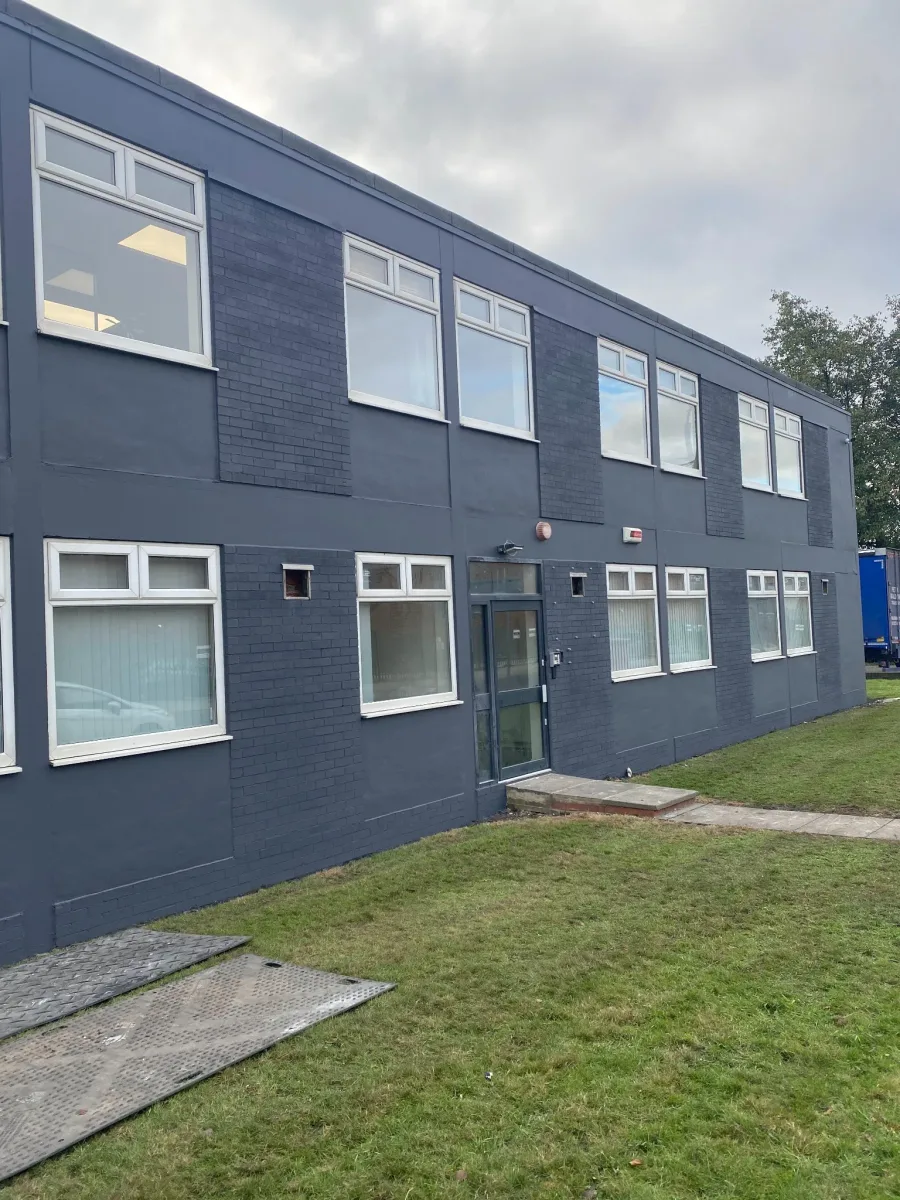
For external facades and cladding panels, silicone-modified or acrylic systems are commonly used for their UV stability and flexibility. These coatings resist chalking and colour fade better than older alkyd-based products, which matters considerably on a building that's meant to look presentable for a decade or more.
If you're working on external cladding, our cladding painting service goes into further detail on the specific systems we specify for different panel types and exposures.
How Access and Working Height Affect the Project
One of the most underestimated aspects of a commercial spray painting project is access planning, particularly for multi-storey buildings, large industrial sheds, or properties on constrained sites.
Working at height on commercial property typically requires either scaffolding, mobile elevated work platforms (MEWPs), or rope access, depending on the structure and the site layout. Each method has different cost and programme implications, and each carries specific regulatory requirements around operator competency and equipment inspection.
Reputable contractors hold relevant certifications for the access equipment they operate. At Commercial Painting Company, our operatives hold PASMA and IPAF cards, and the business is registered with CHAS and Constructionline — independent verification that our safety and quality management practices meet recognised industry standards. CSCS-accredited site operatives are mandatory on most commercial and industrial sites, and we work to that standard across every project.
Before any work begins, an access strategy should be confirmed in writing, including the type of plant required, the footprint it will occupy on site, and any restrictions around live operations or tenant access during the works.
Understanding Spray Application vs Brush and Roller
Atomising coating material under high hydraulic pressure produces a fine, even mist that's applied to the surface in overlapping passes. When carried out correctly, airless spray application delivers a uniform film build, a smooth finish, and significant efficiency gains over brush-and-roller methods on large surface areas.
That efficiency is why spray painting is the standard method on most commercial and industrial projects. A surface that would take days to coat by hand can often be finished in a fraction of the time, with more consistent film thickness across the whole area.
However, spray application requires masking and containment discipline that hand-applied methods don't. Overspray — the fine mist that misses the target surface — can travel considerable distances, particularly in wind, and can contaminate adjacent surfaces, vehicles, glazing, and neighbouring properties. Professional contractors use a combination of drop sheeting, polyfilm masking, and temporary screens to manage this, and will carry out a wind and weather assessment before starting each day.
For properties near residential areas or with occupied tenant spaces below, overspray management should be addressed explicitly in the method statement.
What Good Spray Painting Looks Like — and How to Spot Poor Work
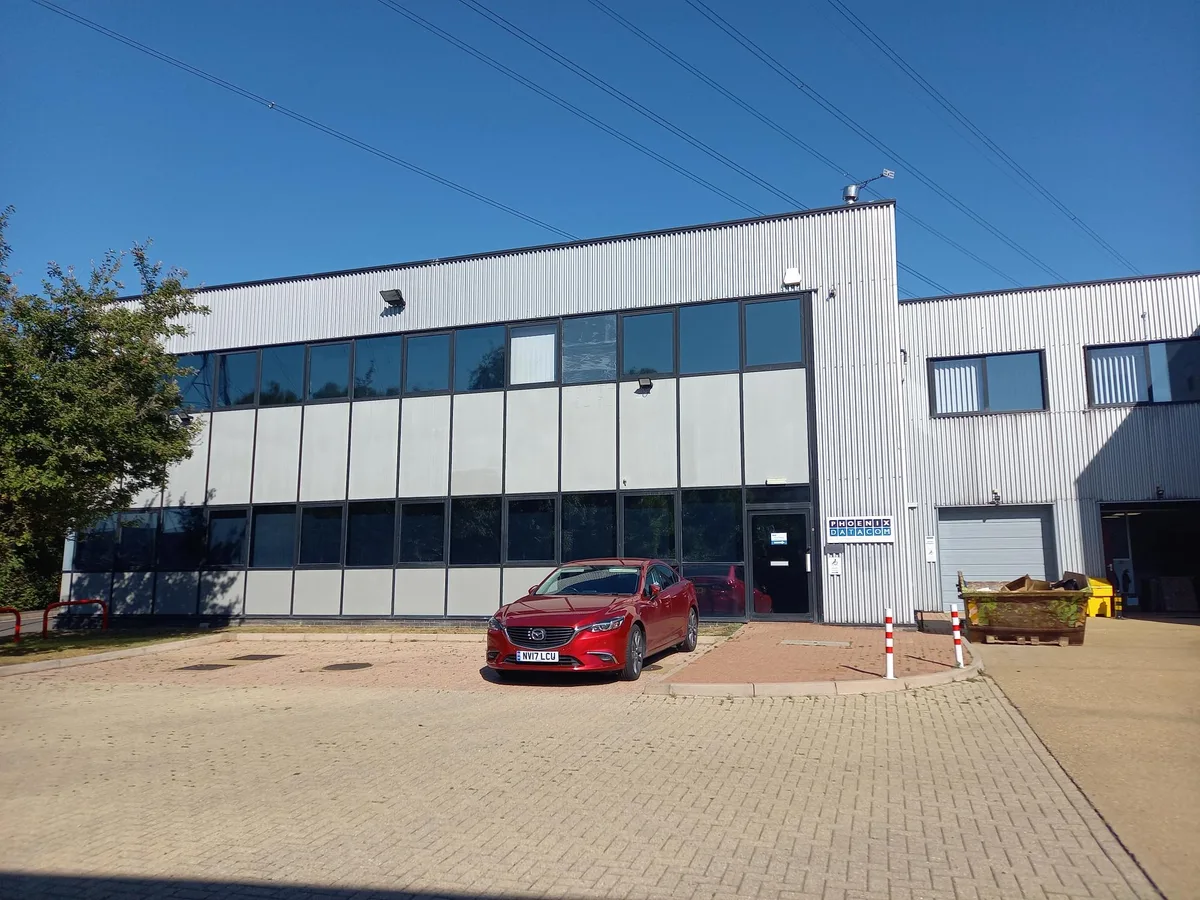
One of the most useful things a facilities manager or property owner can do before signing off a completed spray painting project is walk the surface systematically and know what to look for.
Signs of a well-executed finish include:
- Consistent colour across the whole surface with no streaking, banding, or patchwork variation
- Even film build with no dry-spray texture (a rough, porous appearance that indicates the coating was applied from too far away or with insufficient overlap)
- Clean, sharp lines at masking edges where the coated surface meets glazing, trim, or adjacent panels
- No runs, sags, or curtains in the film, which indicate application that was too heavy in isolated areas
- No pinholes or fisheyes, which typically indicate surface contamination before application
Poor work often shows itself within the first season of weathering rather than immediately after completion. Peeling, flaking, or early colour fade usually traces back to preparation failures or the wrong primer system for the substrate.
If you're recoating an existing building where previous work has underperformed, it's worth requesting a full condition survey before the new specification is agreed. Our industrial painting service page explains how we approach this assessment on complex refurbishment projects.
The Case for Specialist Contractors on Commercial Projects
The difference between a specialist commercial spray painting contractor and a general decorator or building maintenance firm often isn't visible in a quote — but it becomes apparent in the quality and longevity of the finished work.
| Specialist Contractor | General Contractor | |
|---|---|---|
| Equipment Quality | Dedicated commercial-grade airless spray rigs, plural units for large areas | General-purpose equipment, often brush and roller with spray as an occasional add-on |
| Crew Expertise | Operatives trained specifically in spray application, film thickness measurement, and substrate assessment | General decorating skills; spray painting may be outside core competency |
| Timeline Reliability | Programmes built around curing times, weather windows, and coating manufacturer specifications | Timelines based on labour availability rather than technical requirements |
| Aftercare Support | Structured coating warranties and a clear escalation route if issues arise post-completion | Aftercare typically informal and dependent on individual contractor availability |
| Typical Clients | Property managers, facilities teams, commercial developers, site managers | Residential homeowners, smaller commercial maintenance tasks |
Commercial Painting Company works exclusively on commercial and industrial projects, which means every element of our process — from specification to sign-off — is calibrated for this type of work. Our projects are backed by a 20 years coating warranty, and we carry £10M public liability insurance as standard.
Common Questions About Commercial Spray Painting
How long does a commercial spray painting project typically take?
Project duration depends on the surface area, the number of coats specified, curing intervals between coats, and access requirements. A straightforward single-elevation cladding repaint on a mid-sized industrial unit might complete in two to three days. A multi-elevation project with full scaffold, substrate repair, and a three-coat system on a large warehouse will run considerably longer. A detailed programme should be provided as part of any written quote.
Is my building suitable for spray painting, or does it need a different approach?
Most commercial substrates—metal cladding, profiled steel, concrete block, brick, composite panels—are suitable for spray application once correctly prepared. The key question isn't whether spray painting is possible but whether the substrate is stable enough to hold a new coating system. A pre-contract survey will confirm this and identify any repair work needed before recoating begins.
Do you work on occupied buildings?
Yes, and the majority of commercial projects involve some level of occupied or operational space below. Method statements and working hour restrictions can be agreed to accommodate tenant operations, and access planning can be phased to avoid disrupting specific areas. This is a standard part of the pre-contract discussion, not an exception.
What areas do you cover?
Commercial Painting Company works across the UK, including the West Midlands and surrounding commercial and industrial areas. For local commercial property owners and facilities managers, we have existing project experience in Blackheath, Brierley Hill, Kingswinford, Wednesbury, Rowley Regis, and Darlaston, among others across the region.
How do I know I'm getting a fair and accurate quote?
A well-structured commercial spray painting quote should break down costs by stage: preparation, priming, finish coats, and access. It should specify the exact products being used (manufacturer name and product reference), the film build being applied (in microns), and the preparation standard being worked to. If a quote doesn't include this level of detail, it's difficult to compare it meaningfully against competitors or hold the contractor to account if the finish underperforms.
The best Spray Painting Advice we can give any property owner or facilities manager is this: invest time at the specification stage. The finish on a commercial building is a long-term asset, and the decisions made before a contract is signed, about products, preparation, access, and contractor selection, determine whether that asset lasts five years or twenty.
Commercial Painting Company has completed 300+ commercial projects across the UK over 8 years of trading, and holds a 4.9 out of 5 rating from 250 reviews. If you'd like to discuss an upcoming repaint or recoating project, book a free site visit and we'll provide a detailed written assessment. If you're earlier in the decision-making process, you're also welcome to book a 15-minute consultation to talk through your options before committing to anything further.